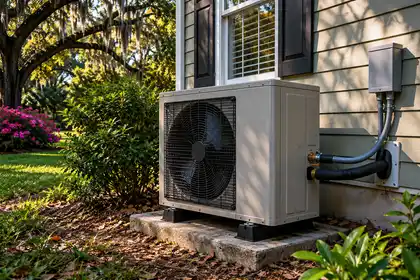
HVAC Repair in Brunswick, GA
Heating and air trouble, from heat pumps in January to AC in July. Call AC Repair Brunswick GA and a licensed local technician can come out.
The short answer
HVAC means the whole heating and air system, not just the air conditioner. In Brunswick that is usually a heat pump or central air conditioner outside, an air handler or furnace inside, the ductwork, the thermostat and the drain. When something goes wrong, the symptom often shows up far from the cause.
Call AC Repair Brunswick GA about any part of it, summer or winter, and a licensed local technician can come out to look at the whole system.
Most of the year, HVAC in Brunswick means cooling and dehumidifying. For a few weeks each winter it means heat, and the same equipment often does both. Thinking of it as one system helps: a dirty filter can freeze an AC coil in July and make a heat pump struggle in January.
What heating and air service covers
- Central air conditioners and heat pumps
- Air handlers, blower motors and their controls
- Electric backup heat strips and sequencers
- Gas furnaces that will not light or stay lit
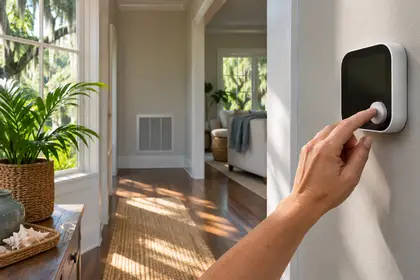
- Thermostats and system wiring
- Ductwork in attics and crawlspaces
- Condensate drains, pans and pumps
- Humidity and airflow complaints
How the parts of the system work together
The outdoor unit moves heat. In summer it carries heat out of the house; a heat pump can reverse that in winter and pull heat in from the outdoor air. The indoor unit, an air handler or furnace, holds the coil that cools the air and the blower that pushes it through the ducts. Many air handlers here also hold electric heat strips for backup.
The ductwork carries air to each room and back through the return grilles. In Brunswick it often runs through hot attics or damp crawlspaces, so its condition matters more than people expect. The thermostat tells everything when to run, and the drain carries away the water the coil pulls out of humid air.
That is why HVAC repair in Brunswick starts with the whole picture. Warm rooms upstairs might be a duct problem, not an AC problem. A heat pump that seems weak in January might be fine, with a thermostat set up for the wrong equipment. Each part has its own page:
- Heat pump repair for weak heat, ice and backup heat that never stops
- Thermostat repair for blank screens, wrong modes and wiring
- AC not cooling for warm air in summer
- AC leaking water for drains, pans and pumps
Common problems through the year
| Season | Common problem | What it often means |
|---|---|---|
| Spring | System struggles on the first warm days | Dirty coils, a weak capacitor or a slow leak left over from last year. |
| Summer | Warm air, long run times, water by the indoor unit | Refrigerant, airflow or drain problems under heavy load. |
| Storm season | System dead after a power outage or surge | Tripped breakers, failed capacitors or damaged control boards. |
| Fall | Musty smell when the system runs | Moisture in the drain pan, coil or ductwork after a humid summer. |
| Winter | Lukewarm heat, ice on the outdoor unit, backup heat always on | Heat pump defrost, refrigerant or thermostat setup issues. |
Winter heat in a mild climate
Brunswick does not get many hard freezes, but cold snaps do come through, and they always find the systems that were neglected over the summer. Heat pumps carry most homes through winter. On the coldest mornings, and while the outdoor unit defrosts, electric heat strips in the air handler fill the gap.
A few things are normal in winter: steam rising from the outdoor unit during defrost, a short dusty smell the first time the heat comes on, and heat pump air that feels warm rather than hot. A few things are not: an outdoor unit sealed in ice for hours, backup heat that never turns off, a burning plastic smell, or a furnace that clicks without lighting.
Homes with a gas furnace
Some Brunswick homes pair a central air conditioner with a gas furnace instead of a heat pump. The furnace usually sits in a closet, the garage or the attic, with the cooling coil on top of it. Common winter calls include a furnace that clicks but never lights, lights and then shuts off after a minute, or runs its blower while blowing cold air. A dirty flame sensor, a clogged filter, a blocked drain on a high efficiency furnace and a failed igniter are frequent causes, and all of them are worth having a technician test rather than guessing.
If your home has a gas furnace, make sure carbon monoxide alarms are installed and working. If one sounds, get everyone outside and call 911 before anything else.
Ducts, humidity and indoor comfort
In a humid coastal climate, comfort is as much about moisture as temperature. A system that cools the air without drying it leaves the house clammy. Oversized equipment, a fan left On instead of Auto, and leaky return ducts that pull in damp attic or crawlspace air are the usual reasons.
Ductwork deserves a look whenever some rooms are comfortable and others are not, when ducts drip water in summer, or when a musty smell comes through the vents. Sealing joints, reconnecting runs that have fallen apart, and fixing crushed or torn insulation can make a bigger difference than new equipment.
- Rooms that never match the thermostat point to ducts or airflow.
- Water dripping from ducts means warm humid air is reaching cold metal.
- A musty smell from the vents points to moisture in the coil, pan or ducts.
The thermostat ties all of this together. Setting the fan to Auto lets moisture drip off the coil between cycles instead of blowing it back into the rooms, and a steady setting usually keeps a Brunswick house drier than large swings up and down. If the system short cycles, never seems to shut off, or the heating and air settings behave oddly after a power outage, the thermostat wiring or its settings may be the real problem rather than the equipment itself. A technician can test both in one visit.
Heating and air questions
What does HVAC actually include?
HVAC stands for heating, ventilation and air conditioning. In a typical Brunswick home that means the outdoor air conditioner or heat pump, the indoor air handler or furnace, the ductwork, the thermostat, the filter and the condensate drain. A problem in any one of them can make the whole system feel broken.
Why does it smell like burning dust the first time I turn on the heat?
Dust settles on heat strips and furnace parts over the long cooling season. The first heating cycle of the year burns it off, which causes a short dusty smell. That is normal if it fades within an hour or so. A smell that lingers, gets stronger, or smells like hot plastic or wiring is not normal: switch the system off and call.
Is a heat pump enough for Brunswick winters?
For most homes, yes. Winters here are mild, which is exactly where heat pumps work best. Backup heat strips in the air handler help on the coldest mornings and during defrost. If the backup heat seems to run all the time, the heat pump itself may need attention.
Do you work on gas furnaces?
Yes. Some Brunswick homes pair a central air conditioner with a gas furnace. Calls about furnaces that will not light, shut off early or blow cold air are welcome. If you smell gas, leave the house first and call the gas utility or 911 from outside.
Can ductwork really affect how well my system works?
A great deal. Leaky or crushed ducts in a hot attic or a damp crawlspace can lose a large share of the cooling before it reaches the rooms, pull in humid air and cause sweating and mold. If some rooms never get comfortable, ductwork is one of the first things a technician checks.
Related services
- Heat Pump RepairLukewarm air in winter, weak cooling in summer, or an outdoor unit that ices solid.
- AC Tune Up & MaintenanceCoils cleaned, drains cleared and electrical parts tested before the long hot stretch.
- Thermostat RepairA blank display, a system that ignores the setting, or a new thermostat that will not work.
HVAC help across Brunswick, Georgia
Heating and air in Brunswick has to handle long, humid summers, salt air and the occasional cold snap, often with one heat pump doing all of it. For HVAC in Brunswick, GA, whether the problem is heat, cooling, airflow or controls, call and a licensed local technician can come out.